What are the most common misconceptions about gambling myths?
What are the most common misconceptions about gambling myths?
Understanding Gambling Myths
Gambling has been a favored pastime for centuries, captivating people with the thrill of chance and fortune. However, alongside this allure, numerous misconceptions have emerged that cloud public understanding of gambling. These myths can shape attitudes and behaviors, leading to confusion about what gambling really entails.
For instance, many believe that gambling is solely about luck and chance, dismissing the influence of skill and knowledge. This oversimplified view can mislead individuals, preventing them from exploring strategies that could improve their gaming experiences. Programs like the plinko zone app illustrate how skill can play a role in some gambling contexts, offering users ways to engage more thoughtfully.
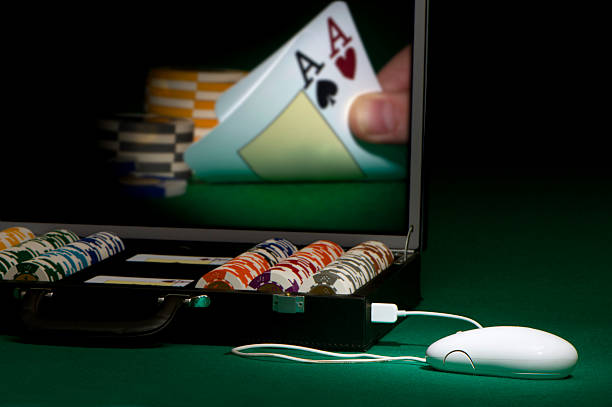
Moreover, the lack of understanding about the skill involved can discourage new players from participating in games where strategy can influence the outcome. Educating oneself about the rules and strategies can enhance enjoyment and potentially lead to better results. Whether it’s poker, blackjack, or sports betting, knowledge can often be as important as luck.
The “Gambler’s Fallacy”
One of the most prevalent misconceptions in the gambling world is the “Gambler’s Fallacy,” which suggests that past events influence future outcomes. For instance, many players assume that if a certain number has come up frequently in roulette, it is less likely to appear in subsequent spins. However, each spin is an independent event with the same probability, regardless of previous results.
This fallacy often leads gamblers to make erroneous bets based on perceived patterns, ultimately affecting their financial decisions. Recognizing that randomness governs many gambling games can empower players to approach betting with a clearer understanding of probability. Emphasizing the importance of a sound betting strategy that focuses on the odds rather than past occurrences can help players remain disciplined and informed.

The Illusion of Control
Many gamblers fall prey to the illusion of control, believing they can influence results through strategy or ritualistic behavior. This misconception is particularly evident in games like slot machines, where players might think that pressing a button in a certain way or at a particular time could sway the machine’s outcome.
In reality, games of chance are governed by random number generators and operate independently of player actions. Understanding this aspect can help mitigate potential losses and promote a healthier approach to gambling, where players enjoy the experience without unrealistic expectations. By accepting that the outcome is purely random, players can focus on the entertainment value rather than stressing over perceived control.
Gambling and Addiction
Another pervasive myth is the stereotype that all gamblers eventually develop an addiction to gambling. While it is true that gambling can lead to problematic behavior for some, the vast majority of individuals can engage in gambling responsibly without succumbing to addiction. Factors such as personal circumstances, mental health, and the environment play significant roles in determining how gambling affects an individual.
Recognizing that gambling does not inherently equal addiction can foster a more nuanced dialogue about the issue. It is crucial for gamblers to be aware of their limits and practice moderation to ensure that gambling remains a form of entertainment rather than a destructive habit. Social support networks, mindfulness practices, and education about gambling can also play critical roles in promoting responsible gambling behavior.
Exploring More on Gambling Myths
Learning about gambling myths and misconceptions is essential for anyone interested in this complex activity. By understanding these common misunderstandings, individuals can make better-informed choices, whether they gamble for entertainment or sport.
For more insights, explore your options at various online platforms and apps. Engaging with educational resources can further demystify these topics and provide clarity on responsible gambling practices, helping to dispel the misconceptions that often lead to confusion and misinterpretation. Additionally, participating in community forums or workshops can facilitate sharing experiences and tips, fostering a more responsible gambling culture.